Modern healthcare depends on advanced medical equipment to diagnose, monitor, and treat patients accurately. From patient monitors and infusion pumps to defibrillators and ventilators, every device must operate safely and reliably. Even a minor electrical fault can put patients, healthcare professionals, and facilities at risk.
Electrical safety testing plays a vital role in preventing these risks. By regularly inspecting and testing medical equipment, healthcare facilities can ensure compliance with international safety standards while maintaining uninterrupted patient care.
What is Electrical Safety Testing?
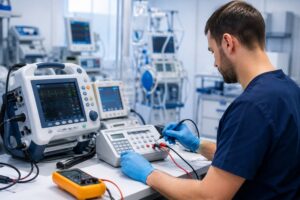
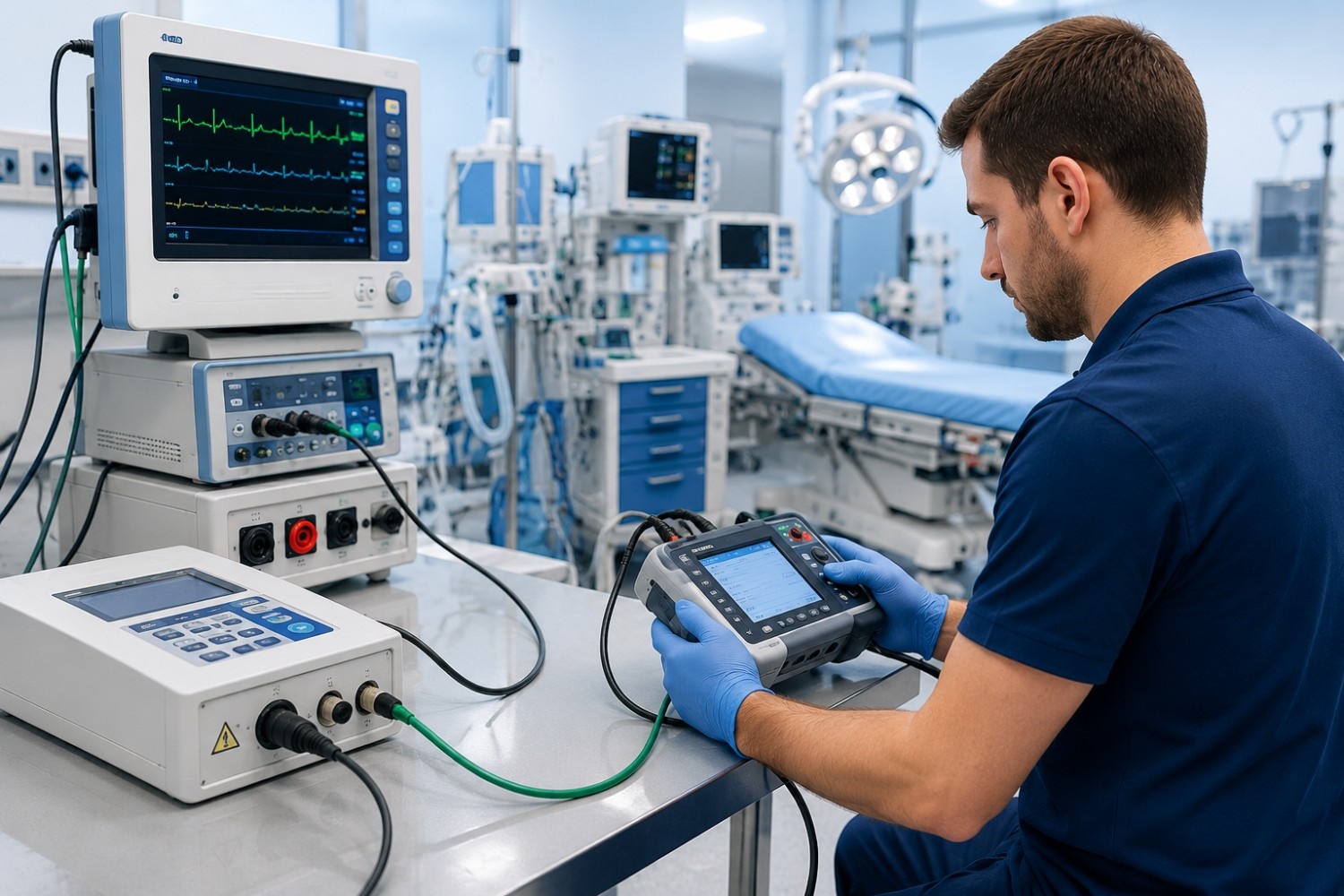
Electrical safety testing is the process of evaluating medical and electrical equipment to verify that it operates safely without posing electrical hazards. The testing includes checking insulation resistance, earth continuity, leakage current, and functional performance.
These tests help identify hidden electrical faults before they become serious safety issues.
Why Healthcare Facilities Need Regular Testing
Hospitals use hundreds of electrical devices every day. Continuous operation, frequent movement, cleaning procedures, and environmental conditions can gradually affect equipment performance.
Routine electrical safety testing helps healthcare facilities:
- Protect patients from electrical shock.
- Ensure equipment functions correctly.
- Reduce unexpected equipment failures.
- Meet healthcare regulatory requirements.
- Extend equipment lifespan.
Risks of Ignoring Electrical Safety Testing
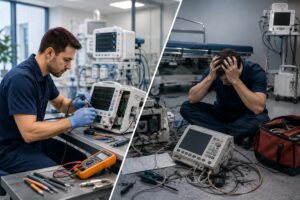
Skipping routine inspections can lead to serious consequences, including:
- Electrical shock hazards
- Equipment malfunction during critical procedures
- Increased maintenance costs
- Unexpected downtime
- Regulatory non-compliance
- Damage to hospital reputation
Preventive testing is always more cost-effective than emergency repairs or equipment replacement.
Medical Equipment That Requires Regular Testing
Healthcare facilities should routinely test equipment such as:
- Patient monitors
- Defibrillators
- Infusion pumps
- Ventilators
- ECG machines
- Ultrasound systems
- Surgical equipment
- Medical power supplies
Each device plays a crucial role in patient care and requires regular verification to ensure safe operation.
Benefits of Routine Electrical Safety Testing
Regular testing offers several advantages:
- Improved patient safety
- Increased equipment reliability
- Lower maintenance costs
- Reduced equipment downtime
- Longer service life
- Compliance with international safety standards
- Better operational efficiency
Why Choose Aragon Africa?
Aragon Africa provides professional electrical safety testing solutions designed for hospitals, laboratories, biomedical engineers, and healthcare providers across Africa.
Our solutions include:
- Electrical Safety Analysers
- Biomedical Test Equipment
- Calibration Services
- Preventive Maintenance Solutions
- Technical Support
- Professional Training
Our experienced team helps organizations maintain the highest standards of safety and compliance.
Conclusion
Electrical safety testing is not just a regulatory requirement—it is an essential investment in patient safety and operational excellence. Regular testing protects lives, reduces downtime, and ensures healthcare facilities continue delivering reliable care.
Partner with Aragon Africa for trusted electrical safety testing solutions that keep your medical equipment performing safely and efficiently.