Medical equipment is one of the most valuable investments for any healthcare facility. Keeping these assets in excellent condition is essential for patient safety and operational efficiency.
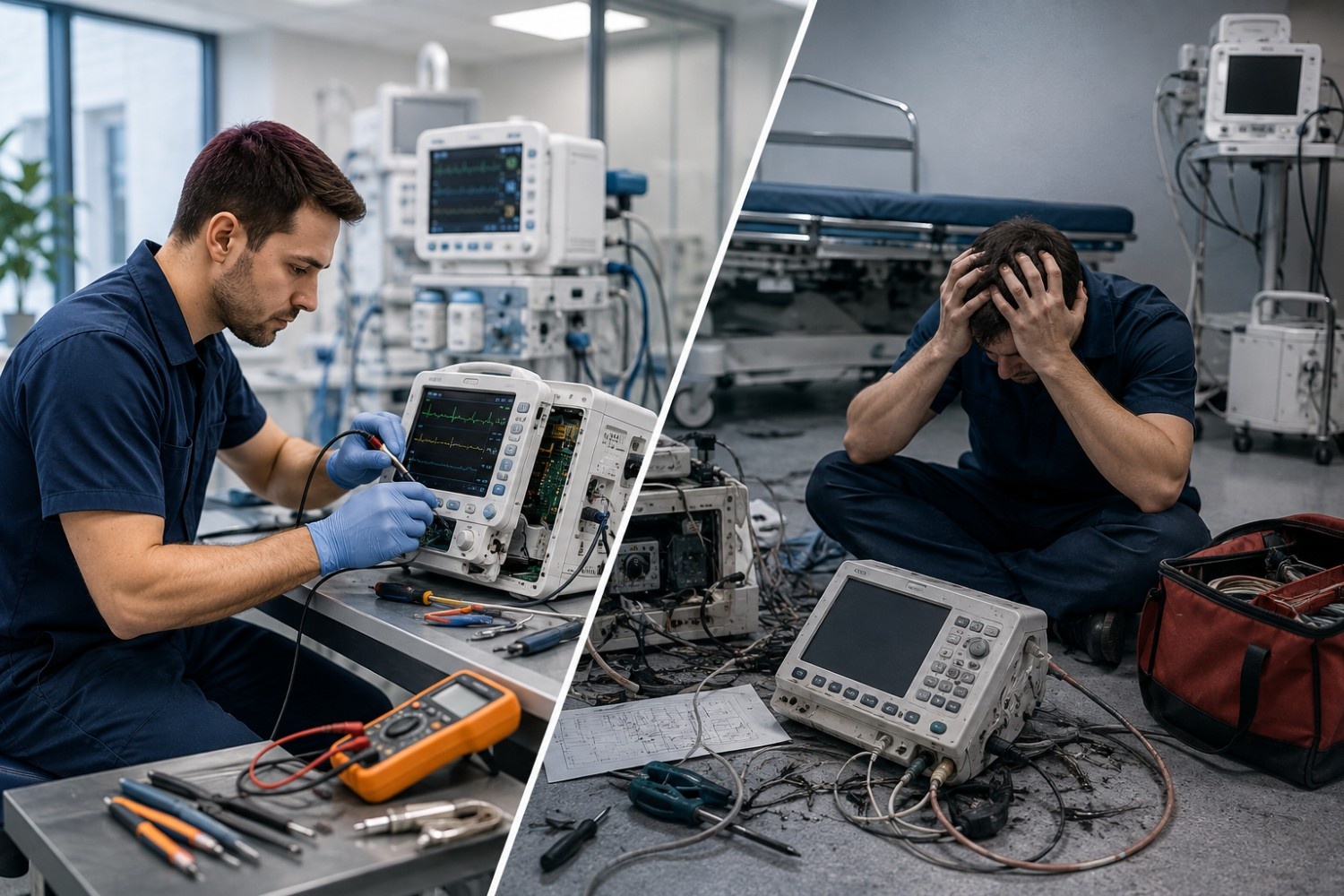
One of the biggest decisions healthcare organizations face is whether to follow a preventive maintenance strategy or simply repair equipment when it fails. While reactive maintenance may appear less expensive initially, preventive maintenance provides significant long-term financial and operational benefits.
Understanding Preventive Maintenance
Preventive maintenance involves scheduled inspections, testing, calibration, cleaning, and servicing before equipment develops faults.
Rather than waiting for breakdowns, healthcare facilities identify potential problems early and resolve them before they become costly failures.
What is Reactive Maintenance?
Reactive maintenance is the practice of repairing equipment only after it has failed.
Although this approach may reduce short-term maintenance expenses, it often results in higher repair costs, equipment downtime, and operational disruption.
Comparing the Costs
Preventive Maintenance
- Lower repair costs
- Reduced downtime
- Longer equipment lifespan
- Better equipment performance
- Improved patient safety
- Predictable maintenance budgeting
Reactive Maintenance
- Unexpected repair expenses
- Equipment replacement costs
- Emergency service charges
- Workflow interruptions
- Increased risk of equipment failure
- Reduced equipment lifespan
In most healthcare environments, preventive maintenance delivers a much higher return on investment.
Why Preventive Maintenance Improves Patient Care
Reliable equipment allows healthcare professionals to deliver accurate diagnoses and effective treatment without interruption.
Regular maintenance helps ensure:
- Accurate measurements
- Reliable performance
- Reduced equipment failures
- Improved patient confidence
- Safer clinical environments
Equipment That Benefits Most
Preventive maintenance is recommended for:
- Electrical Safety Analysers
- Patient Monitors
- Infusion Pumps
- Ventilators
- Defibrillators
- ECG Machines
- Laboratory Equipment
- Medical Imaging Systems
The Role of Calibration
Calibration ensures equipment provides accurate readings throughout its service life.
Regular calibration helps:
- Improve measurement accuracy
- Meet compliance standards
- Reduce diagnostic errors
- Increase equipment reliability
How Aragon Africa Supports Preventive Maintenance
Aragon Africa offers a complete range of testing and calibration solutions that help healthcare organizations implement effective preventive maintenance programs.
Our services include:
- Biomedical Equipment Testing
- Electrical Safety Testing
- Calibration Services
- Technical Support
- Preventive Maintenance Equipment
- Professional Training
Conclusion
Preventive maintenance is more than a maintenance strategy—it is a smart investment that protects equipment, improves patient safety, and reduces long-term operating costs.
Healthcare facilities that adopt preventive maintenance experience fewer equipment failures, lower repair expenses, and greater operational efficiency.